Replace Your Old Furnace This Season
Professional furnace installation services available throughout Western New York
When your furnace stops keeping up with winter nights in Western New York, or repair bills start adding up faster than expected, replacement becomes the more practical choice. Older furnaces lose efficiency over time, meaning they run longer and use more fuel to maintain the same indoor temperature. Great Lakes Heating and Cooling handles complete furnace installations across Western New York, removing your old system and setting up a new unit sized correctly for your home.
A furnace installation begins with the removal of the old equipment, followed by the installation of a high-efficiency gas or electric furnace connected to your ductwork, thermostat, and fuel lines. A crucial aspect of this process is balancing the home’s airflow to ensure it aligns with your home's layout. This involves testing all safety controls and confirming that the system operates effectively under load. Homes in Western New York built prior to 1990 frequently require modifications to facilitate the integration of newer furnace designs, particularly when transitioning from older standing low-efficiency furnaces to modern high-efficiency systems.
If your current furnace is over fifteen years old or struggling to maintain consistent heat, reach out to discuss installation options in Western New York.
What Happens During a Complete Furnace Replacement
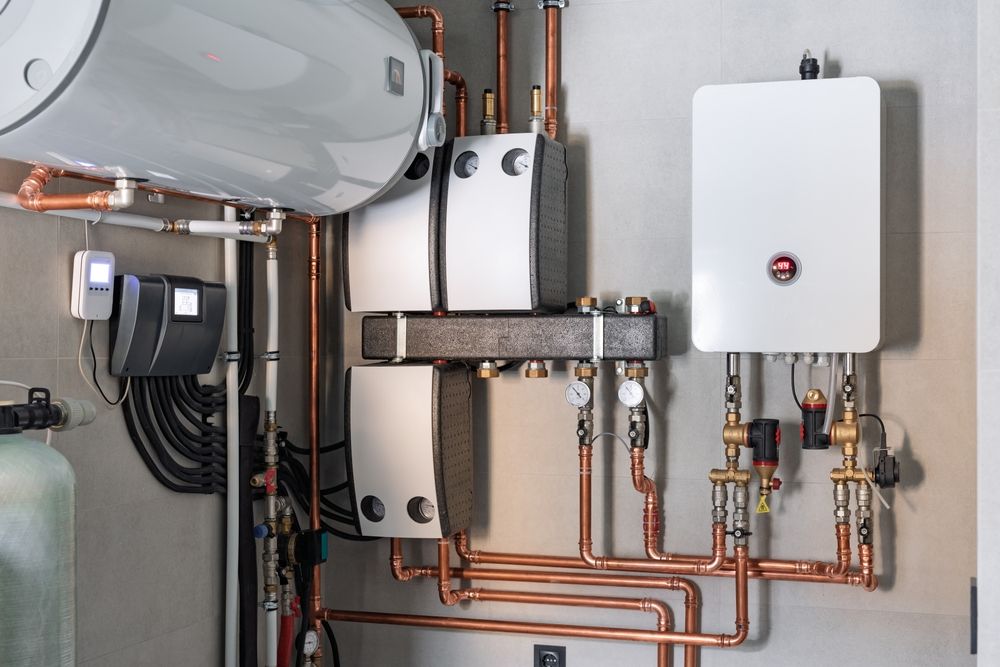
Your installation begins with shutting off gas and electrical connections, disconnecting the old furnace from ductwork and venting, and removing it from the mechanical room or basement. Great Lakes heating and cooling brings in the new furnace, secures it to code, and reconnects all supply and return ducts, verifying that seals are airtight. In Western New York , venting requirements differ depending on whether you choose a standard efficiency or high efficiency furnace, which affects where the exhaust routes through your home.
Once the new furnace is installed, you will notice more consistent temperatures in every room, quieter operation during heating cycles, and lower fuel consumption reflected in your monthly bills. The blower motor starts and stops more smoothly, and rooms that used to feel drafty or uneven begin holding heat more reliably throughout the day.
The technician programs the thermostat, tests limit switches and flame sensors, checks gas pressure at the valve, and runs the system through several complete cycles to confirm proper ignition and shutdown. Some older homes in Western New York may need additional ductwork modifications if the existing system was undersized, but most installations connect directly to the existing layout without major changes.
Questions homeowners usually ask before scheduling
Homeowners in Niagara County often want to know how long installation takes, what efficiency ratings mean for their heating costs, and whether their current ductwork will work with a new furnace.
How long does a furnace installation take?
Most installations take four to eight hours depending on whether ductwork modifications are needed. You will have heat restored the same day the work is completed.
What size furnace do I need for my home?
Furnace size depends on your home's square footage, insulation levels, and window count. The technician performs a heat load calculation to determine the correct BTU output for your space.
What is the difference between single-stage and variable-speed furnaces?
Single-stage furnaces run at full capacity every time they turn on, while variable-speed models adjust blower speed to match heating demand. Variable-speed units use less electricity and reduce temperature swings between cycles.
Great Lakes heating and cooling installs furnaces throughout Niagara County, Erie County, Amherst, Wheatfield, Ransomville, and Youngstown, matching equipment to your home's heating requirements and existing infrastructure. If your furnace is nearing the end of its service life or you want to lower heating costs with a more efficient system, contact us to schedule an installation consultation.