Install a New Boiler That Heats Evenly
Complete boiler installation for homes across Western , New York
When your boiler leaks, struggles to heat radiators or baseboard units evenly, or costs more to repair than replace, a new installation restores consistent warmth throughout your home. Older boilers lose efficiency as internal components corrode or scale builds up inside the heat exchanger, forcing the system to work harder and use more fuel. Great Lakes Heating and Cooling installs new gas and oil boilers in Western New York, connecting them to your existing hydronic heating system and ensuring proper pressure, temperature, and combustion settings.
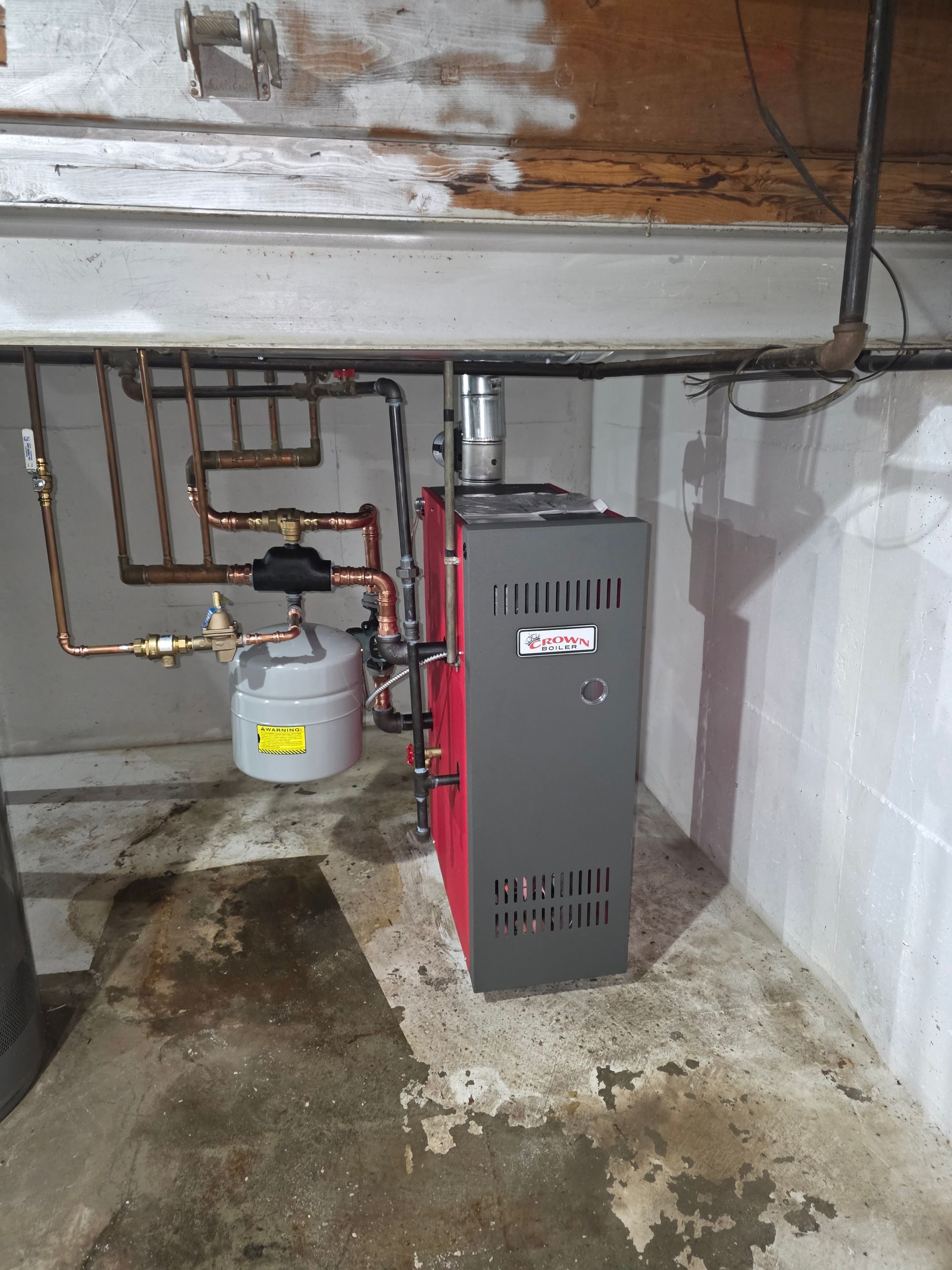
Boiler installation involves removing the old unit, positioning and securing the new boiler, and reconnecting it to your home's water supply, heating zones, and fuel lines. The technician installs new expansion tanks, circulator pumps, and pressure relief valves as needed, then purges air from the system and adjusts zone controls to balance heat distribution. In Western New York, many older homes still use cast iron radiators or copper baseboard loops, which work well with modern condensing boilers once the system is properly flushed and refilled.
If your boiler is over twenty years old or showing signs of rust, leaks, or uneven heating, get in touch to discuss replacement options in Western New York.
How a New Boiler Changes Your Home Heating
Installation begins with draining the old boiler, disconnecting it from piping and electrical controls, and removing it from your basement or utility room. Great Lakes heating and cooling positions the new boiler, levels it on a concrete pad or mounting platform, and connects supply and return lines to each heating zone in your home. In Western New York, homes with multiple floors often have separate zones controlled by their own thermostats, and each zone gets adjusted during installation to deliver the right amount of hot water.
After installation, you will notice radiators and baseboard units heating up faster and more evenly, quieter operation without the banging or hissing sounds older boilers make, and lower fuel bills as the new unit extracts more heat from each unit of gas or oil burned. Rooms that used to stay cold or take a long time to warm up reach comfortable temperatures more quickly once the system is balanced.
The technician tests all zone valves, verifies that the circulator pumps move water through each loop, checks combustion efficiency with a flue gas analyzer, and adjusts burner settings to meet manufacturer specifications. Some older systems in Western New York may need new piping or updated electrical wiring if the existing setup does not meet current code requirements, but most installations connect directly to the original heating loops.
Answers to questions that come up during planning
Homeowners in Western New York usually want to know how long a boiler installation takes, whether their existing radiators will work with a new boiler, and what efficiency ratings mean for their heating costs.
How long does it take to install a new boiler?
Most boiler installations take six to ten hours depending on whether new piping or zone controls are needed. Your heat will be restored the same day once the system is tested and balanced.
Will a new boiler work with my old radiators?
Yes, modern boilers work with cast iron radiators, baseboard units, and radiant floor systems. The technician adjusts water temperature and flow rates to match your existing heat distribution method.
What is the difference between a standard and condensing boiler?
Standard boilers vent exhaust gases at high temperatures, while condensing boilers capture additional heat from those gases before venting. Condensing models use less fuel but require plastic venting and a drain line for condensate.
Great Lakes heating and cooling installs boilers in Niagara County, Erie County, Amherst, Wheatfield, Ransomville, and Youngstown, and Niagara Falls working with hydronic systems of all types and ensuring each zone delivers consistent heat. If your boiler is nearing the end of its service life or you want to reduce fuel costs with a more efficient model, contact us to schedule an installation consultation.